Fridge packed to the brim? The overfilling error that makes food spoil faster and adds to your bills
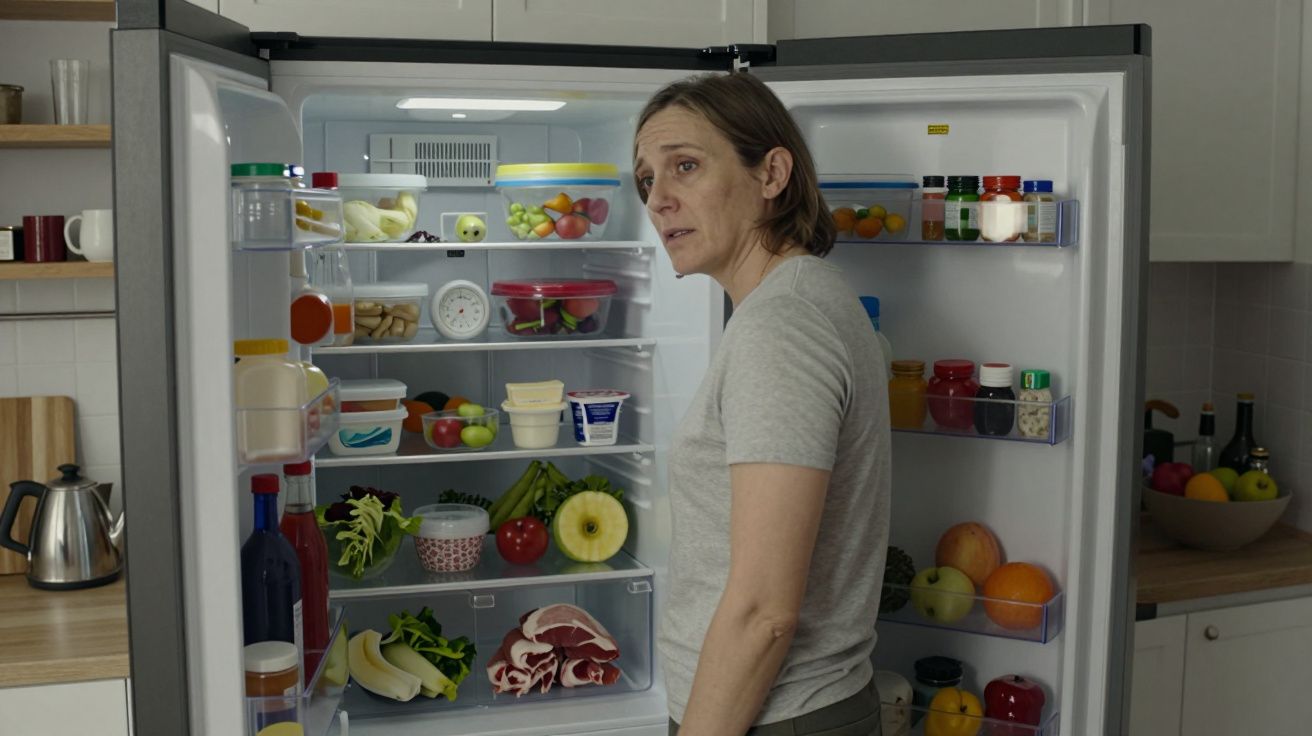
The door clicks shut with a soft thud and you feel that small glow of satisfaction: a weekly shop tetris‑ed into every corner of the fridge. Shelves crammed, salad drawer bulging, yoghurts stacked like bricks. It looks abundant, thrifty, sorted.
By Wednesday, something smells off.
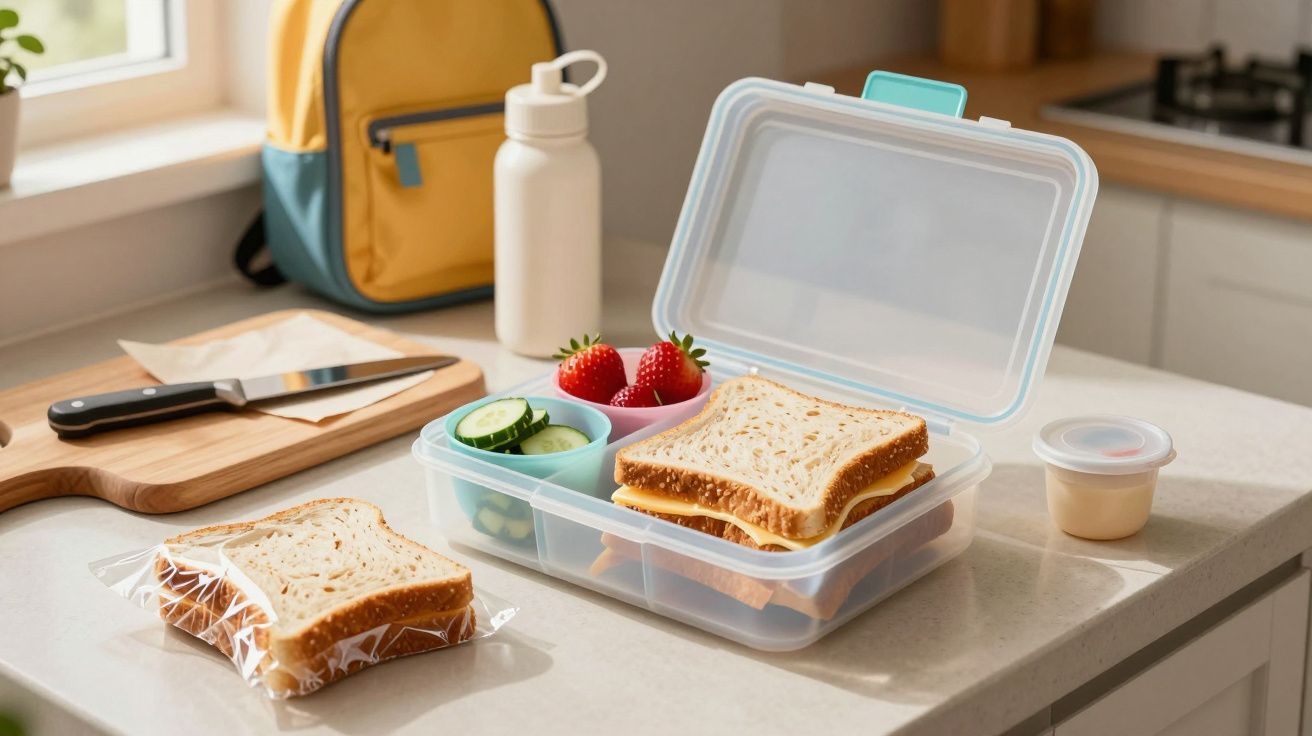
A bag of spinach has gone slimy at the back. The strawberries you meant for packed lunches are furred with mould. A half tub of houmous has split, sour at the edges. You throw them out with a wince and a shrug, and tell yourself it’s just one of those weeks.
It isn’t just the food. It’s your money, and it’s your fridge slowly working overtime.
What’s wrong isn’t the shopping list. It’s the way the cold never gets a fair run at what you’ve bought.
The hidden cost of a crammed fridge
Fridges aren’t magic boxes; they’re small, stubborn weather systems. Cold air needs space to move. When every gap is filled with jars, packs and leftovers, that air can’t circulate. The result is hot and cold pockets: yoghurt almost frozen at the back, salad sweating at the front, chicken just that bit warmer than it should be on the middle shelf.
Food safety guidance is blunt. Chilled food should stay at 0–5°C. Creep above that and bacteria throw a party. That “best before Friday” chicken can hit its danger zone on Wednesday if the air around it never quite cools.
Then there’s the energy. A packed‑out fridge works harder to keep temperatures down, especially if warm leftovers go straight in. The compressor cuts in more often, stays on longer, and you pay for the effort on your electricity bill. It’s like driving with the handbrake half on: you still get where you’re going, but you burn more fuel than you realise.
We talk a lot about food prices, less about the quiet drip of food and energy wasted once it crosses your front door.
How overfilling bends the rules of cold
Open the fridge and look for three things: the vents, the back wall, and the door shelves. In most models, cool air is pushed in at the top or back and sinks, drifting around your food before returning to be chilled again. Block that path and the system starts to cheat.
Packs pressed against the back wall can freeze in spots and insulate in others, like putting a coat over a radiator. Tall bottles shoved in front of vents create windbreaks that turn the rest of the shelf into a lukewarm cul‑de‑sac. Door shelves, which are already the warmest part of the fridge, become overloaded with milk, juice and sauces that would be safer on an inside shelf.
You feel it as “this fridge is temperamental”. It’s often just overstuffed.
One home energy adviser described visiting a flat where the fridge temperature display claimed 4°C, but a thermometer tucked behind the cheese read almost 9°C. The culprit was simple: three rows of leftovers stacked like a wall across the middle shelf, blocking the cold air from dropping.
The fridge wasn’t broken. The layout was.
A calmer, cooler way to stock your fridge
You don’t need a new appliance or fancy containers to fix this. You need a little breathing room and a few quiet rules.
Start with volume. Aim to keep your fridge about two‑thirds full. That’s enough food to hold the cold when you open the door, but enough space for air to move. If you routinely overflow, the problem may be planning, not capacity.
Think in zones rather than random gaps:
- Top shelf: ready‑to‑eat foods like leftovers, cooked meats, soft cheese.
- Middle shelves: dairy, open jars, yoghurts, dips.
- Bottom shelf: raw meat and fish on a tray to catch drips.
- Crisper drawers: fruit and veg, ideally unwashed and in breathable bags.
- Door: condiments, jams, butter – the things that mind the temperature least.
Leave a small gap between items where you can, especially at the back and in front of vents. It doesn’t need to look like a catalogue. It just needs to let the cold find its way.
One family I spoke to put a bright sticker just below the main vent that reads “Do not block me”. It sounds silly. It works.
Where food should really live (and what can stay out)
A lot of fridge crowding comes from habit more than need. Not everything that arrives home cold has to stay that way.
Some staples are happier, tastier and longer‑lasting at room temperature:
- Whole tomatoes: they keep their flavour better in a cool cupboard.
- Uncut onions and garlic: prefer dry, dark, and out of the fridge.
- Whole bananas and whole pineapples: chill only once cut.
- Bread: goes stale faster in the fridge; freeze slices if you must.
On the flip side, some foods really do need the cold:
- Cooked rice and pasta: cool quickly and refrigerate, never left out.
- Opened plant milks: treat like dairy.
- Pre‑cut fruit and bagged salads: highly perishable, best eaten first.
A quick scan with that in mind can free a surprising amount of shelf space.
If you’re tempted to use the fridge as a general storage cupboard, pause. Each item you park there forces the whole system to work a bit harder.
Simple tweaks that save food and energy
Tiny shifts in routine can keep food safer for days longer and trim your energy use without you really feeling the change.
Cool before you chill
Let hot leftovers steam for 20–30 minutes on the counter (or in a shallow dish) before they go in the fridge. Still warm is fine; piping hot is not. This stops one casserole sending the internal temperature soaring.Use the “eat first” zone
Pick a corner of a shelf or use a shallow tray for anything close to its date: half jars, open cheese, yesterday’s chicken. Make this the first place you look when you start cooking or packing lunches.Check the actual temperature
Don’t rely solely on the dial. A cheap fridge thermometer on the middle shelf tells you if you’re really in the 0–5°C window. Nudge the setting if not, and recheck after you’ve cleared any major blockages.Batch, don’t scatter
Instead of five different small containers of leftovers, combine similar foods into one or two. Less clutter, more airflow, fewer mystery tubs turning grey.Close the door with intention
Plan what you’re grabbing before you open the fridge, and shut the door between tasks instead of letting it hang open while you prep. Those extra seconds add up, especially in busy households.
None of this is glamorous. All of it quietly shifts the odds in favour of your food – and your bill.
A quick guide to what overfilling really costs
| Issue | What overfilling does | Why it matters |
|---|---|---|
| Food safety | Creates warm pockets where bacteria thrive | Food spoils faster and may become unsafe |
| Energy use | Makes the compressor run longer and harder | Higher electricity bills for the same cooling |
| Food waste | Hides items at the back until they rot | Money binned and more frequent “top‑up” shops |
How to reset a chaotic fridge in under 20 minutes
You don’t need a weekend makeover. Ten to twenty focused minutes is enough for a reset that sticks.
Take out the obvious
Remove anything clearly off, anything you know you won’t eat, and anything that doesn’t need chilling (whole tomatoes, unopened sauces that are fine in a cupboard, spare drinks).Group by type on the counter
Put raw meats together, dairy together, fruit and veg together, condiments together. This shows you duplicates – three half‑used jars of the same pesto, for instance – and makes the next step faster.Wipe the main shelves
A quick clean removes spills that can speed up spoilage and odours. It also forces you to look at vents and the back wall, and not to push everything hard against them when you reload.Reload in zones, leaving gaps
Follow the simple zone guide above and purposefully leave a couple of centimetres between most items. Put “eat first” foods at eye level, not buried.Set a tiny habit trigger
Every time you unpack a shop, take ten seconds to slide older items to the front and new ones behind. That alone can halve the things that quietly die at the back.
It doesn’t have to look perfect. It just has to let the cold do its job.
Why this matters beyond one fridge
The average UK household throws away hundreds of pounds’ worth of edible food each year, much of it from the fridge. At the same time, energy prices have turned that quiet hum in the kitchen into a real line on the budget.
Overfilling is where those two pressures meet. A fridge that can breathe keeps food safer for longer and uses less power getting there. Less is genuinely more: more usable food, more days between shops, more control over a bill you can’t switch off entirely.
We often chase big savings at the till. Sometimes, the wins are smaller and closer to home – in a shelf that isn’t quite so full, in a chicken that stays safe until the day you planned to cook it, in a bill that drops without a single sacrifice at the supermarket.
Cold, used wisely, is one of the cheapest tools you have. Give it space to work.
FAQ:
- Does a fuller fridge always use more energy? Not always. A reasonably stocked fridge can be more efficient than an almost empty one because the chilled food helps stabilise the temperature. Problems start when overfilling blocks vents and air flow, forcing the motor to run harder.
- Is it dangerous if my fridge is slightly above 5°C? A brief rise isn’t a crisis, but consistently storing high‑risk foods like meat and dairy above 5°C increases the chance of harmful bacteria multiplying. A small thermometer helps you spot and correct this.
- Can I safely turn my fridge temperature down to save food longer? You can usually set it a little colder within the 0–5°C range, but going too cold may freeze some items and waste energy. Aim for around 4°C on the middle shelf, with good air circulation, rather than relying solely on a lower dial setting.




Comments (0)
No comments yet. Be the first to comment!
Leave a Comment