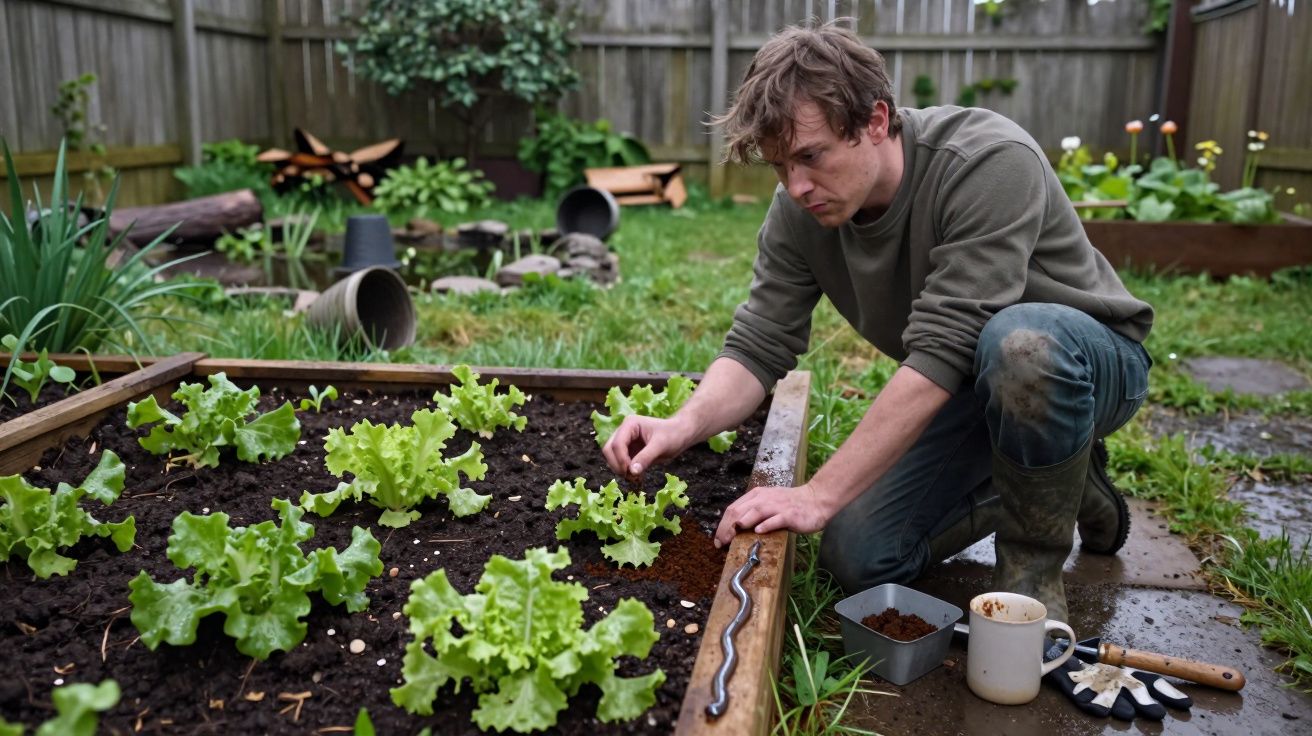
Gardeners swear by this cheap pantry staple to stop slugs destroying seedlings while experts roll their eyes
Some tricks glitter on social media, others sit quietly in the compost heap. Then there are the ones that suddenly turn into this week’s “miracle hack”.
Every spring, the same story surfaces: a humble kitchen ingredient that supposedly sends slugs packing and saves every last lettuce. Photos of untouched seedlings and gleaming, home‑grown veg do the rounds. Somewhere in the comments, a gardening lecturer sighs, reaches for their field notes and starts typing a very long reply.
The cheap staple that’s suddenly everywhere
The current darling of the “slug hack” crowd is a cupboard regular: coffee grounds. Some swear it’s oats, others salt, beer or even marmite in water, but used coffee grounds are the headline act this year. Sprinkled round new plants, mixed into compost or brewed as a spray, they’re claimed to repel slugs, toughen leaves and transform soil in one go.
On paper, it sounds perfectly tidy. You drink the coffee, the grounds go on the beds, the slugs stay away and nothing ends up in the bin. A closed loop, a righteous glow and not a blue slug pellet in sight. The promise is powerful because it hints that you can outwit a very determined mollusc with something you already own.
The quick promise: no chemicals, no extra cost, just last night’s espresso saving this morning’s seedlings.
Why gardeners are so desperate for a fix
Slugs and snails are not a minor irritation in the British garden; they are a full‑blown spring ritual. Mild winters and damp springs boost their numbers. Young lettuce, cosmos, delphiniums and hostas can vanish overnight, leaving only a slimy calling card and a gardener rehearsing polite words that never make it out of the back door.
Seedlings raised indoors are particularly vulnerable. You harden them off, tuck them into beautifully prepared beds and wake up to a neat row of stumps. After a couple of seasons like that, the lure of any “sure‑fire, organic, zero‑cost” remedy is very hard to resist. Coffee grounds feel smarter and kinder than scattering metaldehyde pellets, which are already banned for domestic use in the UK.
Psychology does the rest. A trick that lets you feel thrifty, green and a step ahead of the wildlife hits all the right buttons. One successful night with fewer nibbles becomes a story retold as proof, even if the weather or simple luck did more of the work.
What the science actually says about coffee and slugs
Put simply, slugs do not like strong caffeine. Lab tests have shown that high concentrations can repel or even kill them. The catch is in the word “high”. The levels used in those experiments bear little resemblance to the diluted caffeine in spent grounds scattered round a cabbage.
Most used coffee grounds contain only small traces of caffeine. Outdoors, rain and watering dilute things further. What a slug actually encounters is a slightly rough, damp ring that quickly blends into the top layer of soil or mulch. Many will simply glide over or under it without much fuss. A few may pause. Very few will treat it like an electric fence.
Experts also point out the other side of the equation. Piling thick bands of coffee against stems can create a soggy collar that encourages rot and mould. Worked into the soil in huge quantities, grounds can lock up nitrogen temporarily and affect seedling growth. None of that screams “miracle product”.
Highest impact in tests came from concentrated caffeine sprays, not casual handfuls of used grounds under British skies.
The gap between anecdote and evidence
Why, then, do so many swear it works? Part of the answer lies in how we notice and remember our gardens. A bed surrounded with coffee grounds is also a bed that has just had extra attention. Plants may be better watered, weeded and checked. That alone can tip the balance.
Weather plays its role as well. Slugs are far more active on warm, wet nights. Spread your coffee barrier just before a cooler or drier spell and damage will naturally drop. It’s easy to credit the grounds rather than the forecast. The same bias drives belief in copper tape, crushed eggshells and human hair as impenetrable barriers, despite patchy data.
Researchers and horticultural advisers tend to be cautious for good reason. To claim a method “works”, they look for repeatable trials, not a handful of before‑and‑after photos. With coffee grounds, properly controlled garden‑scale evidence is scarce, inconsistent and rarely as dramatic as the most shared social media posts.
A quick sense‑check before you buy into a hack
- Ask whether it has been tested beyond one season in one garden.
- Look for trials by impartial organisations, not just product makers.
- Check for possible side‑effects on soil, pets and wildlife.
- Consider the scale: a windowsill tray is very different from an allotment.
Other pantry favourites – and their problems
Coffee isn’t the only thing pulled from the kitchen to face the slugs. Several other everyday items get promoted with similar zeal.
| Pantry item | Claimed effect | Main catch |
|---|---|---|
| Beer | Lures slugs to a fatal drowning trap | Attracts more slugs into the area; needs regular refilling |
| Salt | Kills slugs on contact | Cruel, harms soil and other plants; not advised |
| Oats / bran | Distracts slugs away from seedlings | Needs constant topping up; can host mould in wet weather |
| Crushed eggshells | Forms a sharp barrier | Limited proof; slugs often cross without issue |
Beer traps can work, but they do not care whose slugs they catch. You may simply be advertising a free bar to every mollusc in the neighbourhood. Salt is effective but brutal, and salty patches around beds are no gift to your soil structure or nearby roots.
Dry baits such as oats and bran may attract slugs briefly, especially in dry spells when they become a rare source of moisture. In wet British summers, they can turn into mush in a single night. Eggshells and grit can help drain the soil surface but tend to be more comforting to the gardener than terrifying to the slug.
What professionals actually recommend instead
When you talk to horticultural advisers, a pattern emerges. There is no one product that banishes slugs; there is a stack of small, realistic steps that tilt the odds.
First comes plant choice. Some plants are slug magnets, others much less so. Ferns, hardy geraniums, hellebores and many herbs shrug off heavy grazing. Sacrificing a few high‑risk favourites or growing them in pots near the house can reduce nightly heartbreak.
Next is habitat. Piles of damp wood, long grass against beds and thick layers of weed mat can shelter armies of slugs through the day. Tidying only the immediate zone around your most precious seedlings can make a noticeable difference without turning the whole garden into a bare courtyard.
Then there are barriers and predators. Physical collars round individual plants, sharp sand under pots and wildlife‑friendly areas for frogs, toads and ground beetles all help. In some gardens, biological controls such as nematodes work well if the soil and timing are right.
- Plant less slug‑favoured species in exposed, damp beds.
- Remove thick cover just around high‑value crops in spring.
- Use cloches or collars for the first fragile weeks of growth.
- Encourage natural predators with small ponds and undisturbed corners.
- Consider nematodes in warm, moist soil as part of a wider strategy.
The best results come when several modest measures are combined, not when one “magic” tweak is expected to do everything.
So, should you use coffee grounds at all?
Used coffee grounds are not useless in the garden. They add a bit of organic matter, can help bulk up compost and scratch the itch to reuse rather than bin. As a thin mulch mixed with other materials, they are unlikely to cause major trouble.
What they are not is a guaranteed moat against slugs. Scattering them in thick, dark rings around every seedling is more likely to waste time and risk soggy stems than to revolutionise your beds. If you enjoy the ritual and it helps you pay closer attention to your plants, treat it as a minor bonus, not your main defence.
Experts roll their eyes not because they despise homemade tricks, but because they have seen too many seasons where faith in a single hack replaces steady, slightly dull graft. In most UK gardens, slugs are managed, not abolished. Accepting that makes it easier to keep your expectations – and your harvest – intact.
FAQ:
- Do coffee grounds stop slugs? They may deter a few at very close range, but evidence for used grounds as a reliable barrier in real gardens is weak. Any effect is small compared with weather, plant choice and general slug numbers.
- Are coffee grounds bad for my soil? In modest amounts, mixed with other organic matter, they are usually fine. Very thick layers or heavy use in pots can affect drainage and nutrient balance, especially for young seedlings.
- What’s the most effective non‑chemical method? A mix of tactics works best: removing daytime hiding spots near beds, protecting young plants with collars or cloches, encouraging predators and using traps or hand‑picking during peak slug activity.
- Are beer traps worth it? They can catch slugs but may draw more into the area and need regular maintenance. They are better seen as one small tool rather than a total solution.
- Is there any single product that really solves slugs? No. Even wildlife‑safe pellets and nematodes work best as part of a broader approach. Expecting one item – pantry staple or commercial – to fix the problem usually ends in disappointment.




Comments (0)
No comments yet. Be the first to comment!
Leave a Comment