Why you should never ignore a whistling sound from your boiler, according to heating engineers
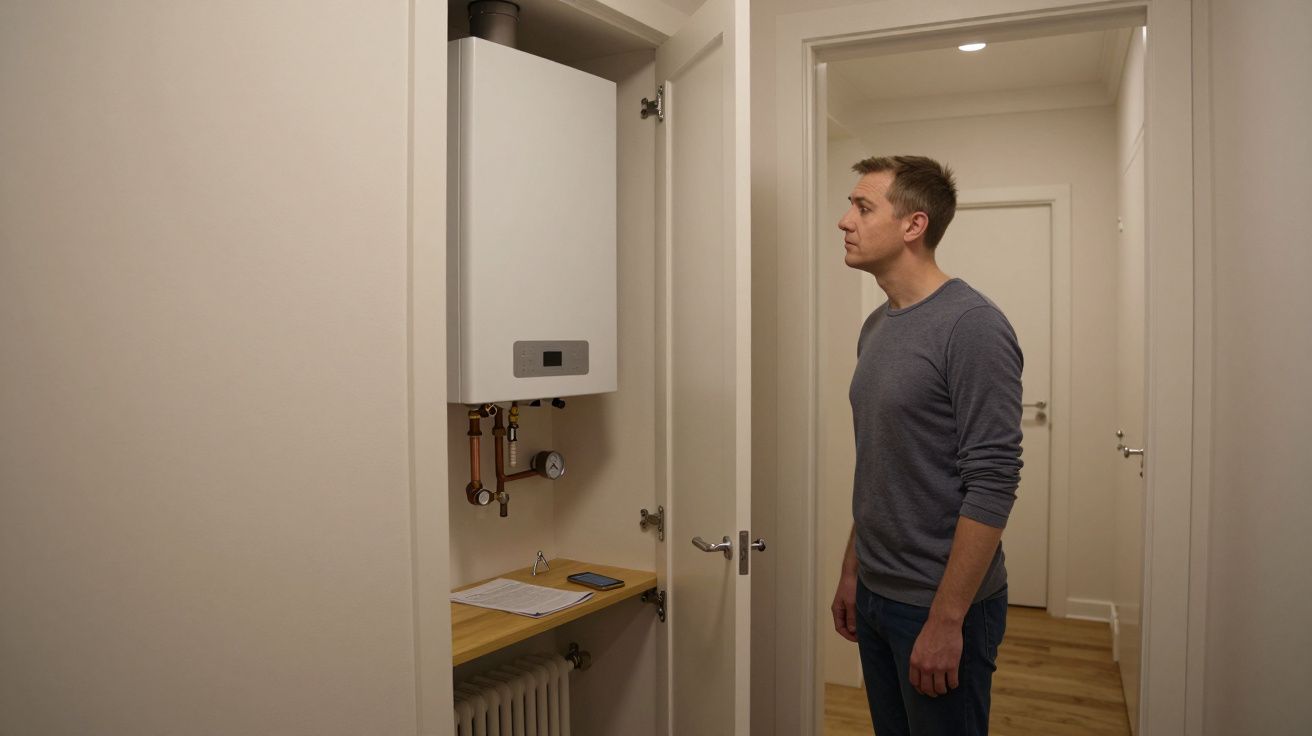
The house is quiet, the heating’s on, and you catch it: a thin, high-pitched whistle from somewhere near the cupboard or loft.
You pause, listen again, and tell yourself it’s probably nothing. The boiler’s still running, the radiators are warm, the hot water works. Easy to shut the door and forget it.
Heating engineers say that’s exactly how small, fixable issues turn into emergency call‑outs and eye‑watering repair bills.
Once you understand what that whistle might be telling you about pressure, air, scale and gas, it becomes very hard to ignore.
What a whistling boiler is really trying to tell you
Unlike banging or clanking, a boiler whistle can sound almost polite. A faint kettle noise when the hot water kicks in. A soft, constant note when the heating reaches temperature.
Behind that gentle sound, though, something in the system is out of its comfort zone.
Engineers tend to group whistling into a few usual suspects:
- Water is moving in the wrong way, at the wrong speed, or through the wrong‑sized gap.
- Steam is forming inside the boiler where only liquid water should be.
- Gas or flue gases are struggling to move cleanly through the burner or flue.
- Air is trapped in pipework or radiators and being forced through tight spots.
A healthy, serviced boiler should hum, not whistle. A new noise means a new problem, even if everything still “works”.
Left alone, those problems don’t usually stay small. They shorten the life of pumps and heat exchangers, drive up gas bills, and in the worst cases, create unsafe combustion conditions that no one wants in a home.
The most common causes of boiler whistling
Heating engineers start with the boring explanations first, because they’re both common and dangerous to ignore.
1. Kettling: your boiler is literally boiling
If the sound reminds you of an old kettle starting to boil, professionals think of one word: kettling.
Hard water areas are especially prone to this. Limescale and sludge build up in the boiler’s heat exchanger, narrowing the passages water flows through. When hot water squeezes through those tight spots, you get localised boiling, steam bubbles and that telltale whistle.
Kettling isn’t just a noise issue. It:
- forces the boiler to work harder to achieve the same temperature
- raises internal stress on metal components
- can lead to overheating and repeated lockouts
Left alone, kettling can quietly destroy an expensive heat exchanger years earlier than necessary.
2. Air trapped where it shouldn’t be
A lighter, intermittent whistle that changes when radiators heat up or cool down often points to air in the system.
As pumps push water round, pockets of air get dragged through valves and corners, making a soft whistling or gurgling sound.
Air gets in through:
- leaks and repeated top‑ups with fresh water
- poorly bled radiators
- recent work on the system where pipework was drained
Air doesn’t just make noise. It reduces radiator efficiency, speeds up internal corrosion and can wear pumps prematurely.
3. Water pressure and flow problems
If your boiler only whistles when the heating first comes on or when taps are opened full blast, engineers look at pressure and flow.
Water rushing too quickly through restricted pipes or a partially closed valve can whistle like wind through a narrow gap. Very low pressure, on the other hand, lets water flash to steam in hot spots.
Typical culprits include:
- incorrectly set pump speed
- stuck or half‑closed isolation valves
- blocked or partially closed radiator valves
- system pressure sitting outside the manufacturer’s range
On a modern boiler, this might be combined with frequent cycling on and off, or error codes linked to overheating or flow issues.
4. Burner and flue issues
A more sinister version of whistling comes from the burner or flue path.
Here, the sound might be sharper, more like a gas hob set wrong, or a faint “singing” at certain fan speeds on a combi.
Causes can include:
- incorrect gas pressure or faulty gas valve
- partially blocked flue or terminal
- fan issues on room‑sealed boilers
- combustion not getting enough fresh air
Anything that hints at combustion or flue problems moves from “annoying” to “call a Gas Safe engineer now”.
These issues can affect how cleanly gas burns, which immediately raises safety questions about carbon monoxide and flue integrity.
How to read the clues like a heating engineer
You don’t need to diagnose the fault yourself, but paying attention to the pattern helps you describe it clearly and get faster answers.
Think in three simple questions:
- When does it whistle?
Only when hot water runs? Only on heating? Constantly? Only at start‑up or shut‑down? - Where does it sound loudest?
Inside the boiler case, at a particular radiator, along a section of pipe, or near the flue? - What else changed recently?
New boiler, new radiators, system drained, pressure topped up a lot, noisy pump last winter?
Many engineers say that a one‑minute recording on your phone, plus those three answers, tells them 80% of what they need before they even open the tool bag.
To give you a rough sense of what they hear in that whistle:
| What you notice | Likely area to check |
|---|---|
| Kettle‑like bubbling and whistling from the boiler itself | Limescale, sludge, kettling |
| Whistling that moves with the pump and radiators | Air, flow rate, valves |
| Sharp, high whistle when boiler fires | Burner, gas pressure, flue |
| Noise appears after recent pipework | Air pockets, incorrect valve positions |
None of this is a DIY roadmap to start stripping a boiler. It’s a way to know whether you’re dealing with “book a routine visit” or “phone a professional sooner rather than later”.
Why “it’s still working” is the most expensive sentence
Homeowners often wait until the boiler either fails to light or throws a clear error code. A harmless whistle, especially one that comes and goes, feels easy to live with.
Engineers, after years of call‑outs, see what that delay really costs.
Small, early‑stage problems tend to be:
- cheaper to fix (cleaning, balancing, adding inhibitor, replacing a small valve)
- faster to tackle during normal working hours
- far less disruptive than losing heating in the middle of a cold snap
The longer a whistling boiler runs, the more likely you’ll see knock‑on damage:
- a scaled heat exchanger pushing gas use and bills up
- pumps straining against badly set valves, then failing at the worst moment
- repeated overheating cutting boiler life short by several winters
Engineers repeatedly say that “it’s still working” often translates, a year later, into “I wish we’d called you when it first started”.
There’s also the safety side. Combustion or flue‑related whistling isn’t something to monitor “for a bit”. Gas Safe registered engineers treat new burner noises as a priority, however gentle they sound.
What you can safely do yourself (and what you shouldn’t)
There are a few checks you can carry out without touching anything you shouldn’t.
Sensible homeowner checks
- Check system pressure on the boiler gauge when cold. On most domestic systems, around 1.0–1.5 bar is typical, but always check the manual.
- Bleed radiators if you hear gurgling and have cold spots at the top but heat at the bottom. Do this with the heating off and the system cool.
- Listen for location by moving room to room when the whistle starts, noting where it’s loudest.
- Look for visible leaks on valves, joints and around the boiler casing (without removing any covers).
If you bleed radiators, re‑check the boiler pressure afterwards. Frequent drops in pressure are a sign in themselves that something needs professional attention.
Jobs to leave to qualified engineers
- Adjusting or testing gas pressure and burner settings
- Opening the boiler casing on most modern room‑sealed boilers
- Powerflushing, chemical cleaning or descaling the heat exchanger
- Working on flues, fans or combustion settings
In the UK, any work that touches the gas supply, combustion or sealed parts of the boiler must be carried out by a Gas Safe registered engineer. Even keen DIYers draw a firm line here.
Stopping the whistle before it starts
Most whistling boilers started life as quiet ones. The difference, in many homes, is steady maintenance rather than luck.
Heating engineers consistently recommend a few simple habits:
- Annual servicing by a Gas Safe registered engineer, especially before winter.
- System water treatment: inhibitor to slow corrosion and scale, and proper flushing when new boilers or radiators are fitted.
- Correct sizing and balancing of radiators and pumps, so water isn’t being forced around too fast.
- Keeping an eye on pressure every month or so, instead of only when the boiler throws a fault.
For homes in very hard water areas, discussing options like a scale reducer or water softening with your installer can save a lot of future kettling.
A quiet boiler is rarely an accident. It’s usually the end result of clean water, correct settings and regular eyes on the system.
FAQ:
- Is a whistling boiler dangerous?
Not always, but it is always a sign that something isn’t right. Issues linked to water flow or scale are mainly about damage and efficiency, while burner or flue‑related whistling can be a safety concern and should be checked urgently.- Can I keep using my boiler if it’s whistling?
If there’s no burning smell, visible damage, or error codes, most people do keep using it short term. However, engineers advise booking a professional inspection as soon as you notice the noise, rather than waiting for a breakdown.- Will bleeding radiators stop the whistling?
If trapped air is the main cause, bleeding can reduce both gurgling and whistling. If the noise comes from the boiler itself, especially a kettle‑like sound, bleeding radiators alone won’t fix it.- Does boiler whistling always mean limescale?
No. Kettling from scale and sludge is common, but whistling can also come from pump speed, valves, air, or burner issues. That’s why a proper diagnosis by an engineer matters.- How often should I service my boiler to avoid problems like this?
Most manufacturers and Gas Safe engineers recommend a full service once a year. Regular servicing helps catch the early signs of limescale, corrosion and flow problems long before they start to whistle.





Comments (0)
No comments yet. Be the first to comment!
Leave a Comment