Why your car windscreen keeps misting inside – and the cat litter hack drivers now swear by
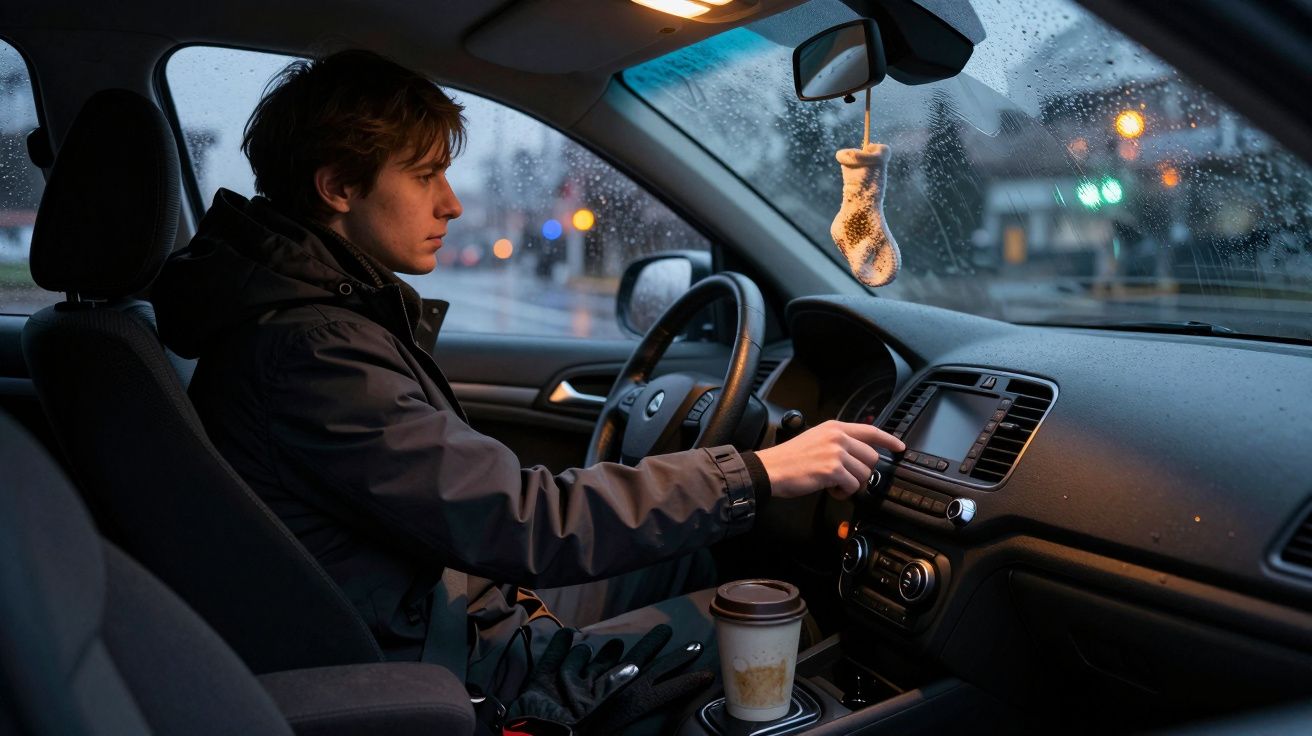
The moment always seems to pick its time: late, dark, a bit of drizzle, and you just want to get home. You shut the door, start the engine… and the inside of the windscreen blooms white with fog. Your cloth smears more than it clears, the demister feels slow, and the clock will not stop.
Inside mist is not bad luck; it is physics and habit teaming up.
This is where a very ordinary product – unused cat litter – has quietly become the thing drivers tuck under their seats and then rave about.
Why your windscreen fogs up from the inside
When you breathe, bring in wet coats, or leave damp floor mats in place, moisture hangs in the cabin air. The glass is usually the coldest surface in the car. When that warm, humid air touches the cold screen, the water vapour condenses into tiny droplets. Mist.
The colder the glass and the more moisture you carry, the faster it happens. Morning commutes, school runs after swimming lessons, a dog who has just been in the rain – all of them tip the balance. Heating on “recirculate” instead of fresh air locked in only makes it worse.
Condensation is simply the air telling you it is holding more moisture than the glass can ignore.
The usual suspects hiding in your car
Several small things stack together:
- Wet shoes and mats after rain or snow
- Forgotten drinks, damp cloths or gym kit on the back seat
- Blocked pollen filter, so the system cannot move air properly
- Air set to recirculate for days, trapping humidity
- Leaky door or boot seals letting in water you do not see
None of these feels dramatic on its own. Combined, they turn your car into a small greenhouse with you stuck trying to peer through a fogged pane at a busy junction.
The cat litter trick: a low‑tech way to dry the cabin
The principle is surprisingly simple. Clumping, silica or mineral cat litter is designed to soak up moisture and hold it. Put a small amount in a breathable bag inside the car and it starts quietly drawing water from the air around it.
Less moisture in the air means less condensation on the glass when temperature drops. You are not “warming” the screen; you are preventing the air from getting so close to saturation that it has to dump water on it.
Think of it as putting a dehumidifier under your seat for the price of a supermarket own‑brand bag.
How to set it up in under five minutes
You do not need a pet, just the litter.
- Buy a bag of unused cat litter (silica crystal or standard clay types both work).
- Pour 1–2 mugs of it into an old sock, tights leg or a small cotton bag.
- Tie or stitch the opening so nothing can spill.
- Place the bundle on the dashboard near the windscreen, in a cupholder, or under a seat where air still moves.
- Leave it there day and night; swap the contents every few weeks or when it feels heavy and damp.
You are aiming for contact with cabin air, not direct contact with glass. If you park in full sun, tuck the bundle out of direct light to avoid bleaching fabrics.
Common mistakes that blunt the effect
It is easy to overdo or misplace the trick.
- Using plastic bags: they trap the litter and stop it breathing.
- Hiding the bundle deep in the boot: it will not touch the air you are actually breathing.
- Mixing used litter in “to save waste”: that brings odours and bacteria into the car.
- Expecting it to fix a major leak: saturated carpets will simply overwhelm the small drying effect.
Pair the litter with basic housekeeping – airing the cabin, shaking out mats – and you will notice the real benefit on cold, damp mornings.
Quick comparison: litter vs other anti‑mist options
| Option | What it does | Limitations |
|---|---|---|
| Cat litter bundle | Slowly absorbs moisture from cabin air | Needs replacing; will not fix serious leaks |
| Demister + AC | Clears screen quickly by drying and warming air | Uses fuel / battery; only works when car is on |
| Anti‑fog spray | Creates a film that resists mist on glass | Needs reapplying; can smear if badly used |
You do not have to choose only one. Most drivers find that combining the cat litter with proper use of the demister means the screen clears faster and stays clear longer, especially in stop‑start traffic.
Getting the basics right: habits that stop mist before it starts
Even the cleverest hack works better if the fundamentals are sorted. Small changes in how you use the car change how much moisture you ask it to carry.
- Shake or brush off shoes before getting in on wet days.
- Empty rubber mats regularly and let them dry outside the car.
- Avoid leaving damp jackets, umbrellas or sports kit in the cabin overnight.
- Use fresh‑air mode with the air conditioning on occasionally, even in winter, to dry the air.
- Check door, sunroof and boot seals if you spot unexplained wet patches.
A clean interior glass surface also mists less and clears more easily. Use a proper glass cleaner and a microfibre cloth; kitchen sprays often leave films that grab condensation.
Safety first: what this hack can and cannot do
The cat litter trick is about comfort and speed, not a licence to cut corners.
It will not replace using your demister, scraping ice, or waiting until you have a clear view before moving off. It does not repair cracked screens or blocked vents. If you find standing water under mats, in the spare wheel well, or behind trim, you need a mechanic or body shop, not another sock of granules.
If you are regularly driving with more mist than view, the problem is not the weather, it is the way the car is handling water.
Treat the hack as an extra layer: it buys you minutes in the morning and takes the edge off the worst fogging, but it deserves a supporting cast of good habits and, when needed, proper repairs.
Mini check‑up: test it in your own car
You can see whether it makes a difference with a simple home trial.
Pick a typical cold, damp morning. Notice how long the screen takes to clear from first starting the engine to fully transparent using your normal routine. The next week, after you have had the cat litter bundle in place for several days, repeat the test under similar conditions.
Time the difference. If the screen clears faster or fogs less when you get back in after a short stop, the cabin air is drier and the trick is earning its space.
FAQ:
- Does any type of cat litter work? Most unused litters help, but silica and clay types are favoured because they absorb well and are cheap. Avoid scented products if you are sensitive to fragrance in confined spaces.
- Is it safe to put the bundle on the dashboard? Yes, if it is secure and not blocking airbags or vents. Many drivers prefer under the seat or in a cupholder to avoid movement in a sudden stop.
- How often should I change the litter? As a guide, every 3–6 weeks in a daily‑driven car, or sooner if the bag feels noticeably heavier, damp, or starts to smell musty.
- Will this fix constant heavy misting on all windows? No. Persistent, heavy mist or mouldy smells usually point to leaks or a blocked pollen filter. The litter may help a little, but the root cause needs attention.





Comments (0)
No comments yet. Be the first to comment!
Leave a Comment